FOR-GHP
Fellowship in Outbreak Readiness for Global Health Protection
Context
Natural and (un-)intentional disease outbreaks pose major risks. Effective outbreak management and compliance with International Health Regulations require a skilled, well-trained workforce. Innovative, sustainable training initiatives are needed to strengthen competency and capacity. The FOR-GHP project uses a multiplier approach to enhance health emergency preparedness, response, and resilience among public health structures across sub-Saharan Africa. The project objectives are: (i) to strengthen fellows’ competencies in outbreak management, focusing on One Health and global health security, using digital and in-person methods including simulations; (ii) to train experts as facilitators, multipliers and leaders in their institutions and countries to maximize local impact (iii); to facilitate capacity strengthening within a regional network promoting knowledge exchange and coordinated responses; (iv) to foster sustainability through an alumni network supporting collaboration, mentorship, and peer learning. To that effect, FOR-GHP leverages a seasoned consortium including the Africa Field Epidemiology Network, the Bernhard Nocht Institute for Tropical Medicine, the Robert Koch Institute, and the Swiss TPH. It uses validated blended learning to empower local experts who act as multipliers for regional impact.
Objective
Increased response capacity and resilience to natural and (un)intentional disease outbreaks by strengthening the competency of public health multipliers in the GHPP target regions
In Cooperation with
- Swiss TPH, Allschwil, Switzerland
- African Field Epidemiology Network (AFENET), Kampala, Uganda and Accra, Ghana
Thematic priorities
Facts
Activities
-

Research and provision of evidence
FOR-GHP facilitates professional networking across the African region with the support of AFENET. It fosters long-term sustainability and impact through an active alumni network.
-
Networking and cooperation
The project strengthens organisational capacities through a multiplier blended learning approach to enhance health emergency preparedness, response, and resilience among public health structures across sub-Saharan Africa.
-
Training and competence development
FOR-GHP strengthens fellows’ competencies in outbreak management, focusing on One Health and global health security. It uses adult learning approaches in both digital and in-person formats, including self-developed tabletop exercises and simulations.



-
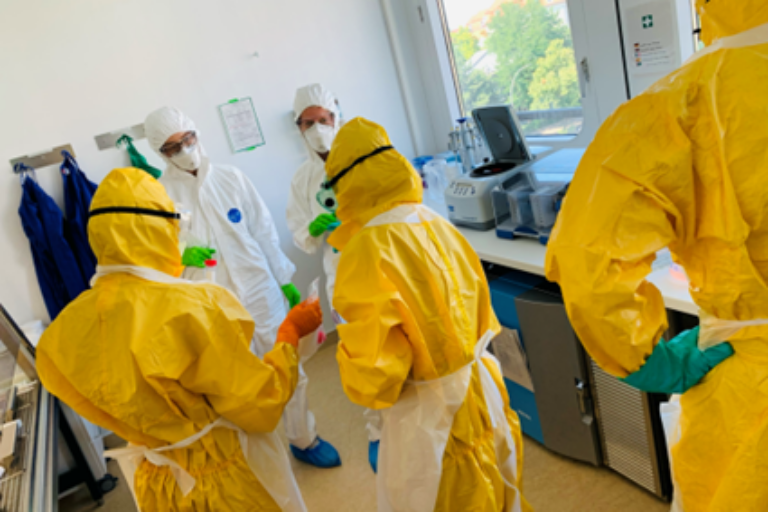
Fellows during an outbreak simulation exercise (Source: FOR-GHP)
-
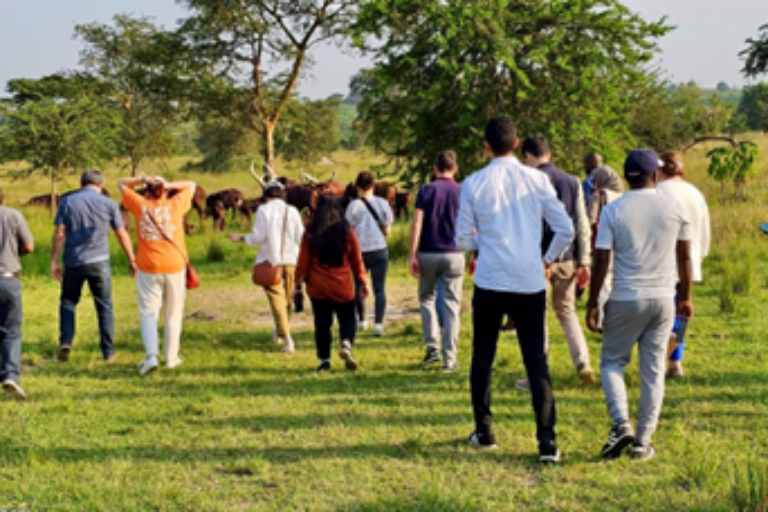
Fellows during a “One Health” field trip in Uganda (Source: FOR-GHP)
-
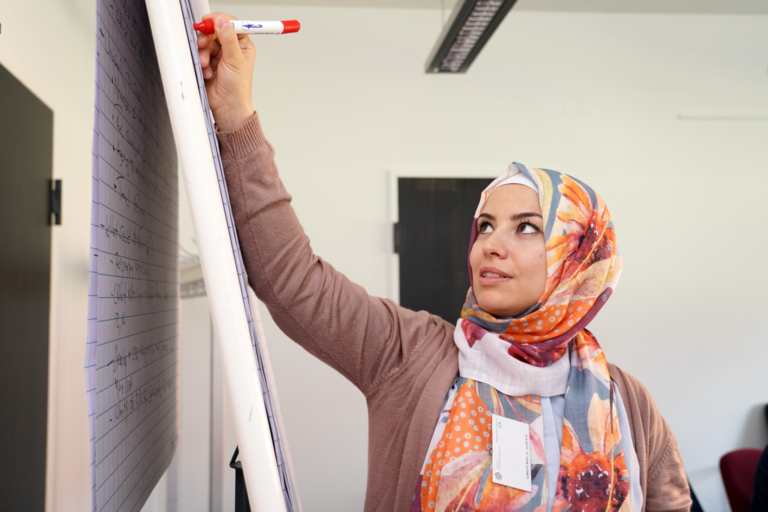
A former fellow actively participates in the training process as alumni-facilitator (Source: FOR-GHP)
-
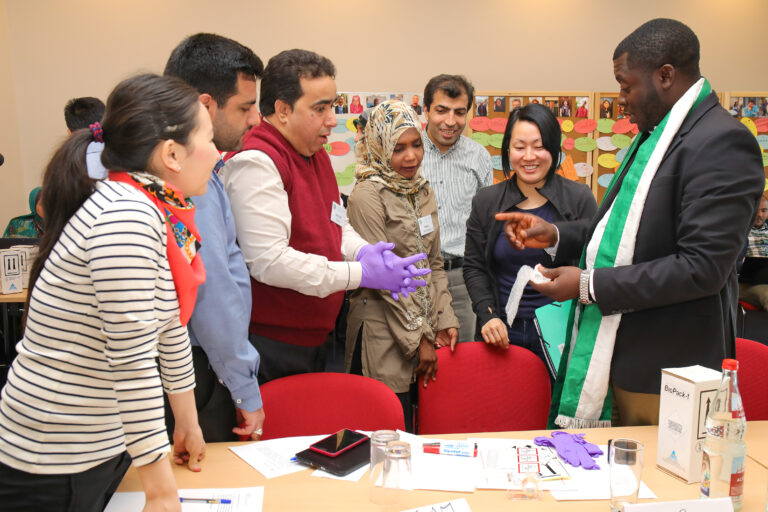
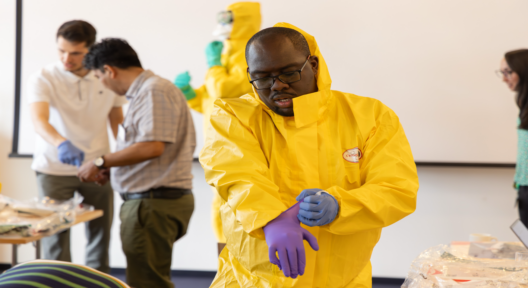
Fellows during an interactive training session (Source: FOR-GHP)