VaccTrain 2.0 Supports Vaccine Safety in The Gambia
VaccTrain 2.0 supports a campaign in Gambia to raise awareness of the importance of reporting adverse drug reactions and vaccine side effects. Additionally, project staff contributed to the development and piloting of a new WHO tool that supports low- and middle-income countries in better assessing drug and vaccine risks.
Strong and effective regulatory monitoring of drug safety requires the rapid reporting of adverse reactions following vaccinations or drug administration. If such reports accumulate, the authorities should respond by stopping or restricting the drug, if necessary. Reports can also help to detect contaminated medicines more quickly and inform the public accordingly. The VaccTrain 2.0 project did engage all partner authorities to develop regulatory documents on processing, evaluation, and reporting of adverse reaction cases. These documents also define the regulatory measures to be taken to minimise risk.
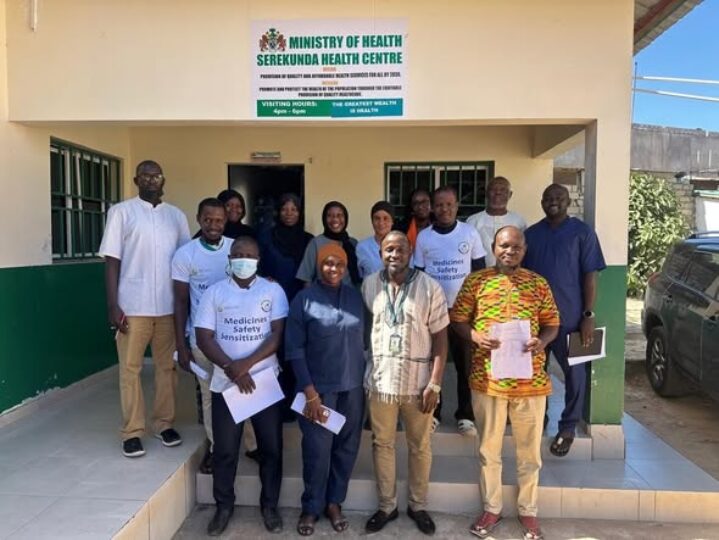
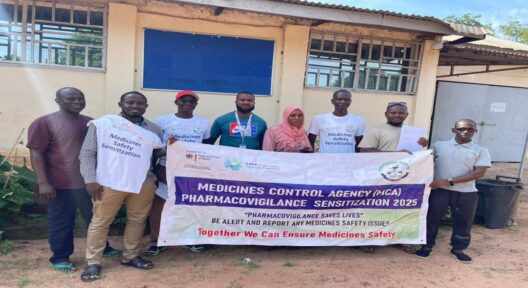
But what can be done if only a few side effects are reported to the authorities? The Medicines Control Agency (MCA) in The Gambia, a project partner agency, has taken the initiative and launched a nationwide sensitisation campaign with the help of the VaccTrain 2.0 project. Its purpose is to close communication and knowledge gaps.

MCA staff travelled to all parts of the country, training healthcare and vaccination campaign workers, and speaking to village communities and their imams or village leaders. Participants were trained on site in how to report side effects, what to report, and how these reports are processed by the authorities. The team also distributed educational materials and posters detailing reporting channels and forms. The management of the pharmacovigilance department in The Gambia has already seen positive developments as a result of the campaign, which has raised awareness. ‘This campaign will empower stakeholders to actively participate in pharmacovigilance and represents a significant step towards building a robust pharmacovigilance system in The Gambia,’ says Fatou Njie, Director of the Clinical Trials and Pharmacovigilance Directorate at the MCA.
VaccTrain 2.0 supports WHO in developing and piloting tools for assessing RMPs
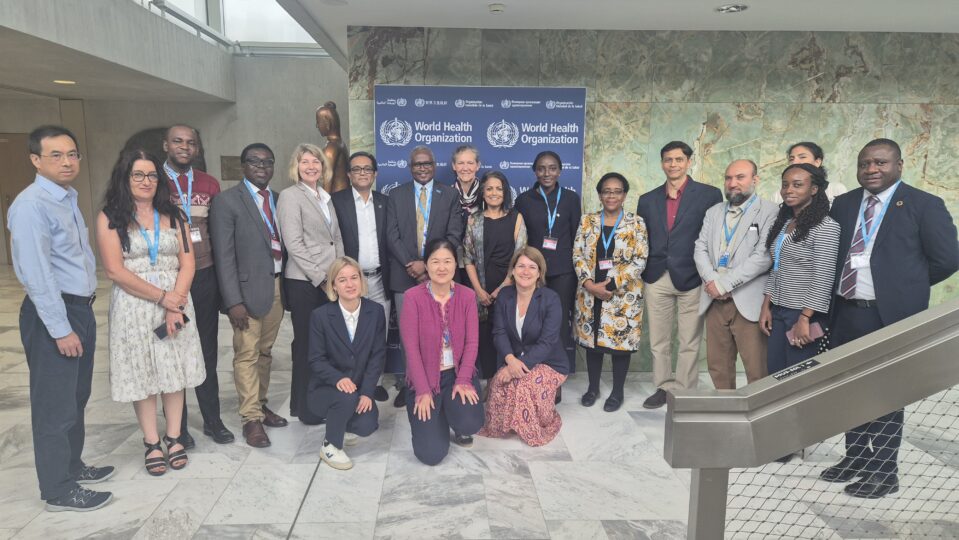
The WHO has developed a guiding document and a harmonised template to support National Regulatory Authorities (NRAs) in assessing risk management plans (RMPs) as part of the registration review process. The application of the guideline can be adapted country-specific legal requirements and implementation policies. The VaccTrain 2.0 team contributed to the development and provided support at piloting workshops, where the tools’ practical suitability was tested. In June 2025, a kick-off meeting was organised with regulators from Zimbabwe, Ghana, Rwanda, and Sierra Leone NRAs at the WHO Headquarters, Geneva. Another workshop was held in Uganda in November 2025 to pilot the RMP tool and to test the applicability in the local context.

Why the WHO RMP tools are important
The WHOs’ assessment tools can improve the ability of regulatory authorities, particularly in low- and middle-income countries (LMICs), to review safety profiles. They also help to identify missing information or request additional data. The assessment of RMPs is an essential task for NRAs, enabling them to control the measures taken by manufacturers to minimise the risks associated with new medicinal products, or in the event that new safety concerns have been identified. The Council for International Organizations of Medical Sciences has recently updated the Benefit-Risk Assessment Guide, which includes RMPs. The WHO RMP tool is in line with these recommendations. Many LMICs have limited capacity to assess RMPs. Adjusting the RMPs of multinational manufactured medicinal products to the local context in LMICs requires regulatory bodies to pay close attention to this challenging task. The new tools are intended to address this issue.