SPHERE
Strengthening Public Health Systems in the Eastern Region of Europe
Context
The SPHERE project builds on cooperation with Western Balkan (WB) countries that has been in place since 2016 and follows the success of the WASP (Western Balkan Strategic Partnership for Health Protection) project. SPHERE continues to support public health institutes in Montenegro, Kosovo, Albania, and North Macedonia in enhancing their capacities across two main working areas (WA): WA1 includes surveillance and reporting of healthcare-associated infections (HAI), antimicrobial resistance (AMR), and antibiotic consumption (AMC). Its purpose is to improve the processing of data for action and reporting to regional and international networks. Activities will support National AMR Action Plans and include training and antibiotic stewardship. Strengthening genomic surveillance of AMR pathogens will enhance disease monitoring and support outbreak detection and targeted interventions. WA2 includes health emergency preparedness and response. This work area combines epidemic and pandemic preparedness with crisis response to strengthen the WB compliance with the International Health Regulations (IHR). It addresses gaps in national preparedness plans, cross-border coordination, and operational response capacity. It also strengthens the efficient diagnosis of infectious agents. Activities include the development, harmonisation, and testing of multisectoral preparedness and response guidelines through simulation exercises as well as the operationalisation of IHR core capacities.
Objective
Improved capacities for pandemic preparedness and response and surveillance of antimicrobial resistance (AMR) in the Western Balkans through targeted strengthening of national public health systems
In Cooperation with
- Institute of Public Health of Montenegro, Podgorica, Montenegro
- National Institute of Public Health Kosovo, Pristina, Kosovo
- Institute of Public Health Albania, Tirana, Albania
- Institute of Public Health North Macedonia, Skopje, North Macedonia
Thematic priorities
Facts
Activities
-

Networking and cooperation
The SPHERE project aims topromotea regional collaboration of WB countries, specifically in the areas of AMR surveillance and pandemic preparedness and response. It does so by focusing on regional training and creation of a supranational surveillance network (EpiTel), and integration of the countries into international networks (e.g. the Central Asian and European Surveillance of Antimicrobial Resistance network – CAESAR).
-
Capacity building
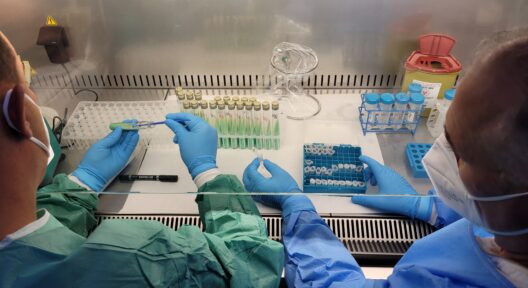
To strengthen selected IHR core capacities is one aim of the project. This includes supporting the establishment of regional and national crisis management structures, the implementation of digital systems for surveillance, and reporting of AMR, HAI, and AMC. It also involves improving the laboratory infrastructure and molecular diagnostics, including genomic surveillance.
-
Training and competence development
Throughout the project duration multiple workshops and technical trainings will be conducted to enhance capacities in technical areas including AMR data collection and analysis, molecular diagnostics, genomic sequencing, and generic crisis management.
-
Policy support
The SPHERE project supports partner countries in the development and revisions of national guidance material on IGV implementation through the involvement of multisectoral stakeholders, as well as in the development and harmonisation of preparedness guidelines and standard operating procedures (SOPs).